Fake Bearings, Real Downtime: The Counterfeit Component Problem in U.S. Supply Chains

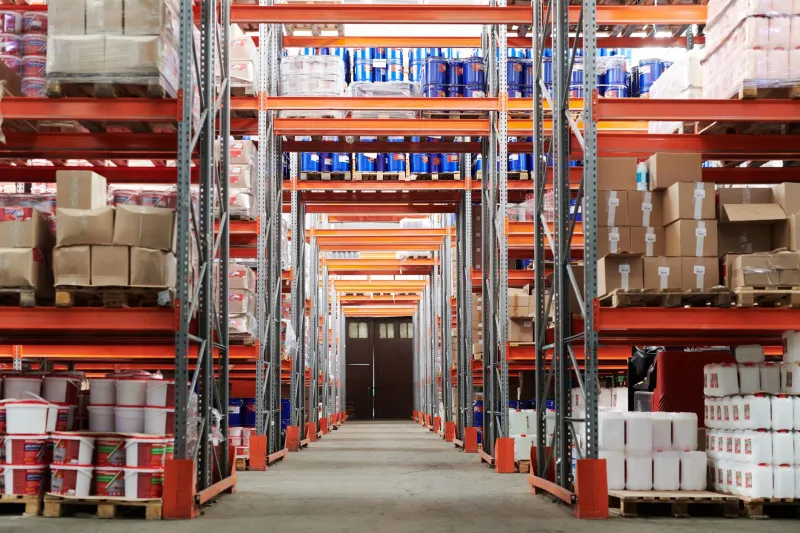
Photo by Photo by Farkas Mario on Unsplash on Unsplash
Counterfeit bearings rarely announce themselves. They arrive in familiar packaging, carry plausible markings, and often meet the dimensional checks performed at a receiving dock. For a maintenance team under pressure to return a line to service, that apparent normalcy is precisely what makes the problem dangerous. A counterfeit component can enter a plant as a routine spare part and leave as an unplanned shutdown, a damaged shaft, or a safety incident.
The issue is not confined to obscure online marketplaces. Industry alerts and enforcement actions have repeatedly shown that counterfeit bearings can move through distribution networks that appear credible to buyers. In the United States, where uptime, warranty obligations, and regulatory scrutiny are already intense, the margin for error is thin. Procurement teams are therefore being asked to treat bearing authenticity as a supply chain risk, not merely a product quality question.
A Market That Rewards the Wrong Thing
Bearings are consumable, repeat-purchase items. They are also small enough to be shipped in mixed lots, common enough to be stocked broadly, and valuable enough to justify imitation. Counterfeiters exploit those characteristics. They may copy a premium brand, apply false markings to lower-grade products, repackage reclaimed bearings as new, or use lubricants and seals that do not match the specified application.
The buyer’s challenge is that a counterfeit bearing can pass a visual inspection and still fail in service. Dimensions may be close enough to permit installation. The external finish may look acceptable. What cannot be seen at the dock is the steel cleanliness, heat treatment, cage material, internal clearance, surface finish, and lubrication quality that determine whether the component will survive under load, speed, and temperature.
Where Counterfeits Enter
Counterfeit bearings typically enter the supply chain through three broad pathways. The first is unauthorized distribution: product that appears to be brand-name but has not been sourced through the manufacturer’s approved channel. The second is misrepresentation: lower-grade or generic bearings sold as premium components. The third is refurbishment that is not disclosed, where used bearings are cleaned, repackaged, and presented as new.
These pathways become more likely when buyers prioritize price or immediate availability over traceability. Emergency purchases are especially exposed. When a critical line is down, a purchase order may be placed with a supplier whose credentials have not been fully checked, and the receiving process may focus on getting the part installed rather than proving its origin.
The Cost Beyond the Purchase Order
The immediate financial loss from a counterfeit bearing is rarely limited to the purchase price. A premature failure can damage the shaft, housing, seals, and adjacent components. It can contaminate lubricants and trigger secondary failures elsewhere in the assembly. In continuous-process plants, the production loss from an unplanned stop can dwarf the cost of the bearing many times over.
There is also warranty and liability exposure. If a counterfeit component is installed in equipment covered by an OEM warranty or a customer contract, the plant may find that the resulting damage is not covered. In safety-critical applications, the consequences can be more serious still. Bearings support rotating equipment in applications where failure can release energy, generate heat, or cause mechanical disintegration.
Verification That Works
The most effective defense is a procurement process that makes authenticity verifiable before the part reaches the maintenance crib. Buy from authorized distributors whenever possible, and confirm that authorization directly with the manufacturer rather than relying on a supplier’s website claim. For critical bearings, request traceability documentation that links the component to a manufacturing lot and an approved distribution path.
Receiving inspection should go beyond dimensions. Check packaging quality, label consistency, laser markings, typography, and serial or lot information. Compare unfamiliar markings against reference samples or manufacturer guidance. Inspect the bearing for signs of handling, such as disturbed grease, worn packaging, or inconsistent surface finishes. Where risk is high, use independent testing or manufacturer authentication services.
Supplier Vetting as a Control
Supplier approval should be a documented process, not a relationship of convenience. Procurement teams should maintain an approved supplier list for bearings, define which applications require authorized-channel sourcing, and review suppliers against consistent criteria: business legitimacy, manufacturer authorization, quality management systems, traceability practices, and responsiveness to corrective actions. Emergency sourcing should have a defined exception process with additional verification, not a lower standard.
Training matters as well. Receiving staff and maintenance technicians are often the first people to notice inconsistencies, but only if they know what to look for. A short reference guide, sample photographs, and a clear escalation path can turn a routine inspection into an effective early warning system.
A Procurement Discipline, Not a One-Time Check
Counterfeit bearings are a moving target. Packaging changes, supply routes shift, and counterfeiters adapt. The plants that manage the risk most effectively treat authentication as an ongoing discipline: authorized sourcing where possible, documented verification where necessary, and a willingness to question any offer that seems too convenient. In an environment where every hour of uptime matters, that discipline is not administrative overhead. It is part of keeping equipment running.