Scrap Bin Diagnostics: What Failed Bearings Reveal About the Health of Your Entire Operation
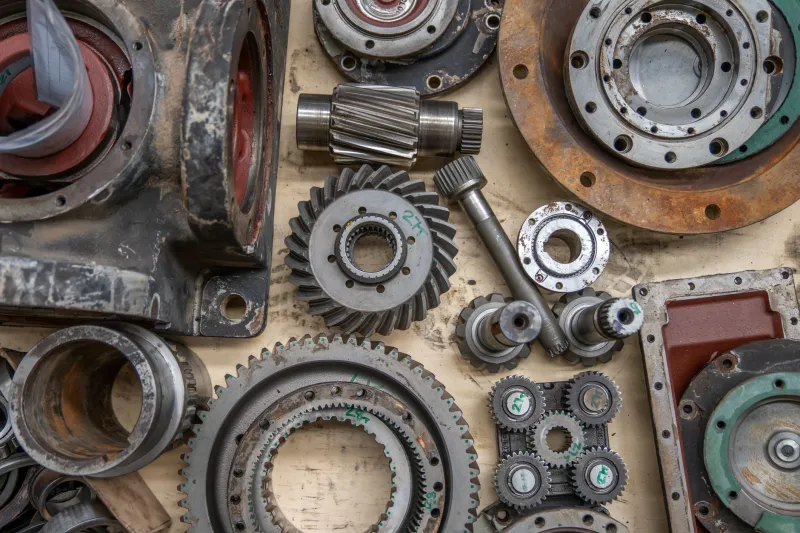
Most plant floors treat the scrap bin as a destination—a final resting place for components that have simply run their course. In reality, that collection of discarded bearings represents something far more valuable: an unfiltered record of operating conditions, maintenance decisions, and systemic inefficiencies that no inspection report or work order can fully capture. For manufacturers serious about reducing downtime and controlling procurement costs, the scrap bin deserves the same analytical attention as any production dashboard.
Bearings do not fail arbitrarily. Every spalled raceway, discolored cage, and pitted rolling element tells a specific story. The challenge—and the opportunity—lies in knowing how to read those stories accurately.
Failure Patterns Are Not Random Events
When a single bearing fails in isolation, the cause may be straightforward: a manufacturing defect, an installation error, or an isolated contamination event. When the same failure mode appears repeatedly across multiple units, the same machine positions, or specific production shifts, the cause is almost certainly systemic.
Maintenance teams that log and categorize their discarded components over time begin to see patterns that are otherwise invisible. A plant replacing bearings in the same housing every four months, for example, is not simply experiencing normal wear—it is experiencing a recurring condition that the bearing is absorbing on behalf of a deeper problem. Identifying that condition requires moving beyond the failed part itself and examining the circumstances surrounding its service life.
This is where structured failure analysis earns its value. Rather than treating each replacement as an isolated transaction, disciplined operations treat it as a data point in an ongoing diagnostic record.
Reading the Evidence: Common Failure Signatures
Fatigue Spalling Subsurface fatigue spalling—characterized by flaking or pitting on the raceway surface—typically indicates that a bearing has reached or exceeded its calculated service life under normal load conditions. However, when spalling appears prematurely, the more likely explanation is overloading, improper bearing selection for the application, or misapplication of a component rated for lighter-duty service. If your operation is seeing early spalling across multiple positions, it is worth revisiting load calculations and confirming that specified bearings match actual operating demands rather than theoretical design parameters.
Smearing and Adhesive Wear Smearing appears as roughened, torn metal on rolling contact surfaces and is almost always associated with inadequate lubrication at the moment of startup, or with slip conditions caused by incorrect internal clearance. In high-speed applications, smearing can also result from skidding when loads are too light relative to bearing speed. This failure mode is particularly common in operations that have recently changed lubricant suppliers or switched to automated lubrication systems without recalibrating delivery volumes.
Electrical Erosion Bearings pulled from electric motors or variable-frequency drive applications sometimes display a distinctive frosted or fluted pattern on their raceways—the unmistakable signature of electrical current passage. Stray currents, often the byproduct of VFD-induced shaft voltages, discharge through bearing contact surfaces when adequate grounding or insulation is absent. If your motor bearings are showing this pattern, no amount of lubrication optimization or bearing upgrades will resolve the problem without addressing the electrical root cause.
Contamination Damage Indentation patterns, abrasive wear tracks, and corrosion pitting all point toward contamination entering the bearing environment. Indentations from hard particles suggest that sealing arrangements are compromised or that housings are being opened in dirty environments during maintenance. Rust staining or corrosive pitting indicates moisture ingress—a particularly common problem in food processing, outdoor equipment, and facilities with aggressive washdown protocols. The specific geometry of contamination damage can often identify the entry point, whether that is a failed seal, an inadequate housing fit, or improper storage practices before installation.
Thermal Discoloration Blueing, tempering colors, or heat-affected zones on bearing components indicate that operating temperatures exceeded acceptable limits. Overheating can stem from excessive preload, insufficient internal clearance for thermal expansion, lubrication breakdown at elevated temperatures, or inadequate heat dissipation in the surrounding housing design. When thermal damage appears consistently in specific machine positions, it often reflects an engineering oversight in the original design rather than a maintenance failure—a distinction that matters significantly when determining corrective action.
Building a Failure Library
The most operationally mature facilities do not simply discard failed bearings—they document them. A basic failure log that captures the component part number, the machine position, the estimated service duration, and a photographic record of the failure mode creates a reference library that compounds in value over time.
This documentation discipline serves two critical functions. First, it enables maintenance teams to identify recurrence patterns quickly, prompting investigation before a chronic problem causes a significant production loss. Second, it provides concrete data to inform procurement decisions—confirming whether a specified bearing is genuinely appropriate for the application or whether an upgraded specification is warranted based on observed service life.
For operations running multiple product lines or processing varied materials across shifts, this kind of granular record-keeping can reveal correlations between specific operating conditions and accelerated bearing wear that would otherwise remain hidden in aggregate maintenance data.
From Evidence to Action: Closing the Loop
Diagnosing failure patterns is only half the equation. The other half is translating those findings into actionable changes—whether in maintenance procedures, lubrication schedules, installation practices, or component specifications.
This is where collaboration with a knowledgeable supply partner adds genuine value beyond simply fulfilling orders. When a distributor understands the specific failure signatures your operation is generating, they can assist in evaluating whether alternative bearing configurations, enhanced sealing options, or different internal clearance classes would better match your actual service conditions. That conversation moves procurement from a transactional exercise into a performance optimization process.
At Global Bearings, we work with manufacturers across a wide range of industrial sectors to connect component failure evidence with practical supply and specification solutions. Whether your operation is experiencing recurring contamination damage in a harsh processing environment or premature fatigue in a high-load application, the data your scrap bin holds is a starting point—not a dead end.
The Maintenance Strategy Your Bearings Are Asking For
Every bearing that leaves your facility in a scrap bin has already paid a price. The question is whether that cost purchases anything beyond the bearing itself. For operations willing to invest the modest discipline required to analyze failure patterns systematically, the return is substantial: fewer unplanned shutdowns, more accurate maintenance intervals, better-specified components, and a procurement strategy grounded in operational reality rather than catalog assumptions.
The components you discard today contain the intelligence your maintenance strategy needs for tomorrow. The only question is whether your operation is listening.